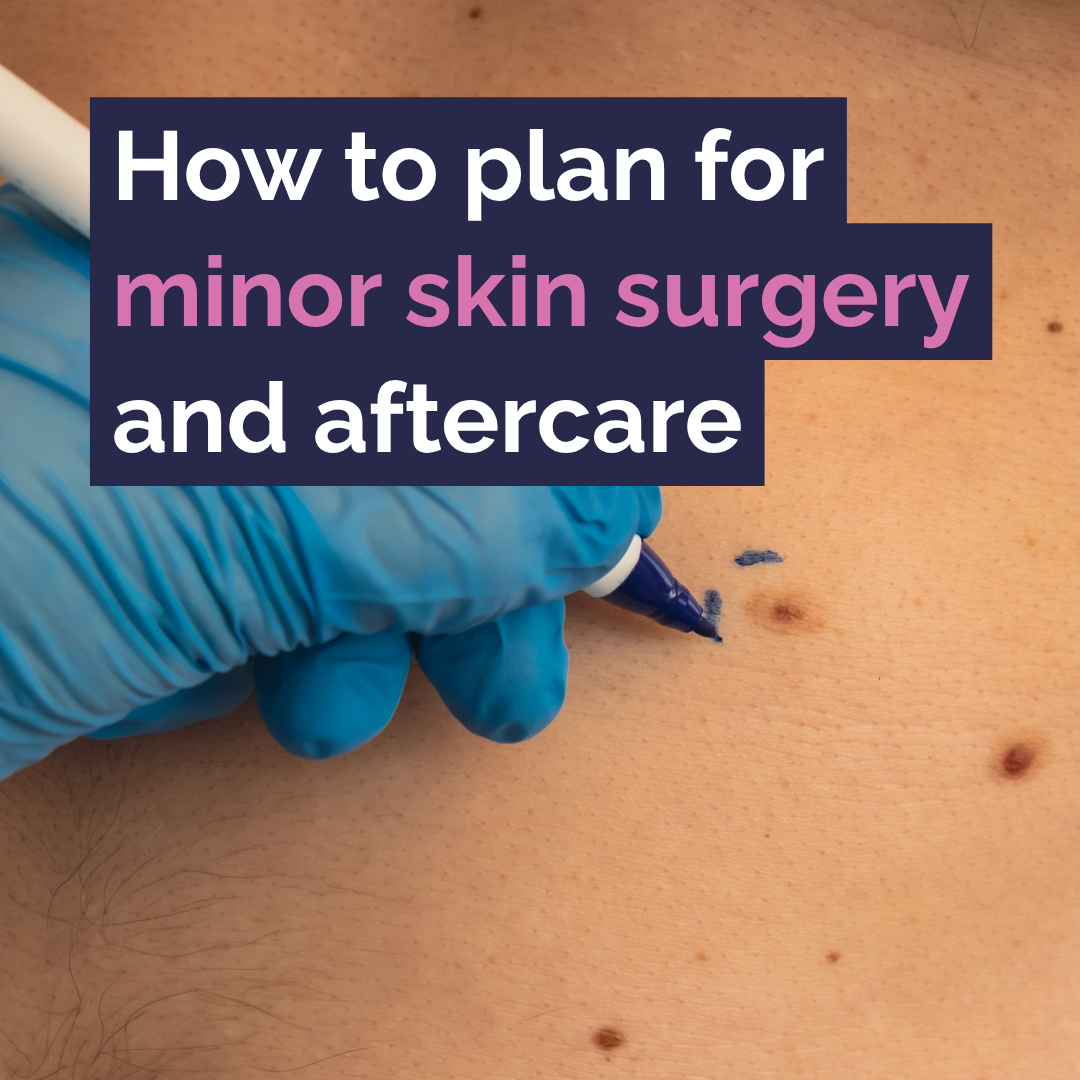
Considering removal of a non-urgent skin concern and wondering how to plan for it? Start with a consultation, then ask about the suitable treatment, total cost and aftercare before arranging a procedure. Provide Wellbeing can examine the concern and help you understand your options; you do not have to arrive with a diagnosis or a decision to proceed.
Work, caring responsibilities and upcoming plans can all affect when treatment fits into daily life. A useful preparation conversation covers what will happen afterwards as well as the procedure itself. This article explains the questions to ask before booking and why the answers depend on your individual treatment.
What can the initial consultation establish
Our minor skin surgery service (https://providewellbeing.co.uk/services/minor-skin-surgery/) in Colchester begins with an initial consultation. The clinician examines the concern and discusses suitable options. Tell them about any previous diagnosis, treatment or change you have noticed. If you are enquiring about a lipoma, our lipoma removal page (https://providewellbeing.co.uk/services/minor-skin-surgery/lipoma-removal-surgery-service/) explains that service in more detail.
The consultation is also your opportunity to discuss whether removal is appropriate and what risks it carries. If another investigation or route is needed, the clinician can explain the next step. An enquiry does not commit you to surgery.
What should you ask about costs
Ask for the expected total, including the procedure and any possible additional charges such as laboratory analysis or follow-up. Costs can vary with the treatment and number of areas involved. The team can explain the current fees and payment arrangements before you decide.
How should you plan work and everyday tasks
Describe what your work involves, especially lifting, physical activity or tasks that could affect the treated area. Ask about driving, exercise and any restrictions that apply to you. Recovery depends on the procedure and its location, so a general return-to-work statement may not fit your circumstances.
If you have a trip or celebration coming up, mention it before arranging treatment. Ask how dressings and healing may affect your plans. Do not assume that a wound will have healed or a scar will look a particular way by a fixed date.
What should you know about dressings and follow up
Ask how to care for the area, when a dressing should be changed and whether stitches or a follow-up appointment are expected. Follow the instructions given for your procedure. Before leaving, make sure you know who to contact with a concern and when that team is available.
Ask about possible scarring, changes in skin colour, infection and bleeding before consenting. The clinician should discuss the risks relevant to the proposed treatment and explain which aftercare warning signs need prompt advice.
When should you use a different route
A mole that changes size, shape or colour, becomes itchy or painful, or bleeds or crusts needs GP assessment. A lump that grows, becomes painful, is hard and fixed, or lasts more than two weeks should also be checked by your GP. Do not wait for routine removal to investigate these changes.
Frequently asked questions
Can you check it even if I do not know what it is
Yes. You can arrange an initial consultation for a non-urgent skin concern. The clinician can examine it and discuss the appropriate next step.
Will the procedure happen at the consultation
Do not assume it will. The consultation comes first; ask how suitable treatment would be arranged and whether you need a separate procedure appointment.
Can I choose the date based on an event
You can discuss your plans, but availability and healing vary. Ask about the implications for your specific procedure before choosing a date.
