
Once you’ve booked a private autism assessment for your child, a mix of relief and nerves is completely normal. The appointment feels important because it is, and you want to do everything you can to make it as useful as possible.
The good news is that good preparation genuinely makes a difference. The more context you can give the clinical team in advance, the more they can focus on understanding your child rather than filling in gaps on the day. Here’s what to do before you arrive.
Before the appointment: what to gather
Most private clinics will send you a pre-assessment pack of questionnaires to complete. Alongside those, it helps to pull together the following.
- Your child’s developmental history. Notes or recollections of early milestones, first words, walking, early social behaviour. Health visitor records are useful if you have them.
- Medical records and letters. Any relevant GP correspondence, referral letters, or records from previous specialist appointments.
- School reports. Particularly anything that mentions social interaction, concentration, behaviour, or learning differences. SEND reports and end-of-year summaries are especially helpful.
- Previous assessments. If your child has already been seen for speech and language difficulties, ADHD, or sensory processing, bring those reports. They give the team important clinical context.
- A written list of your concerns. It sounds simple, but it’s easy to forget things once you’re in the room. Be specific: “She finds it very hard to join in with group conversations at school” is more useful than “she can seem a bit shy.”
Documenting your child/young person’s behaviour
In the weeks before the assessment, it can help to keep a brief written record of what you notice at home. A few observations a week is plenty; you don’t need to keep a diary. Focus on:
- Social communication. How does your child interact with adults and with other children? How do they manage back-and-forth conversation, understanding jokes or sarcasm, or picking up on social cues?
- Sensory responses. Is your child/young person sensitive to certain sounds, textures, lights, or smells which can cause a strong reaction? Do they actively seek out particular sensory experiences?
- Routines and flexibility. How do they respond to changes in routine, unexpected events, or moving from one activity to another?
- Emotional regulation. How do they manage frustration, anxiety, or feeling overwhelmed? How long does it take them to settle?
- Sleep and eating. Any notable patterns or difficulties are worth noting, as these can sometimes be relevant to the wider clinical picture.
Getting school involved
Most private autism assessment providers will contact your child’s school directly to request a report or ask the SENCO to complete a questionnaire. This is an important part of the process as it gives the clinical team a picture of how your child presents in a structured setting, which can be quite different from how they are at home.
Let the school or SENCO know an assessment is booked so they’re expecting to hear from the clinic. If your child is home-schooled, the clinic will usually ask for an equivalent report from another professional who knows your child well.
How to talk to your child/young person beforehand
How you approach this conversation depends on your child’s age and what they already understand. There’s no single right way, but a few principles tend to work well.
Keep it simple and honest. For younger children, something like “We’re going to meet some people who are really good at understanding how different children think and learn” is usually enough. For older children, you can be a bit more direct: “We want to find out more about how your brain works, so we can make sure you get the right kind of help.”
Frame it as something being done for them, not to them. And if they ask whether they’ll be diagnosed with autism, answer honestly: “We’re going to find out more. Whatever happens, we’ll understand you better afterwards.”
It also helps to give them a simple idea of what the day will look like. Knowing what to expect tends to reduce anxiety for children/young people and parents alike.
What to bring on the day
- All relevant documents and reports, either printed or accessible on a device. The documentation can also be sent across prior to the assessment and can be added to the clinical record.
- Any regular medication your child takes, with a note on timing and dosage.
- Something familiar and comforting – a small toy, a fidget tool, or whatever helps them feel settled in a new environment.
- Comfortable, familiar clothing. New or unusual outfits can add to sensory discomfort.
- Your own notes and questions, so you can make the most of your time with the clinical team.
What to expect on the day
Private autism assessments are typically carried out by a multidisciplinary team and usually take place over a single day, though some clinics spread the process across two appointments.
You’ll usually take part in a detailed developmental interview, where a clinician asks about your child’s early development, current behaviour, and daily life. This is often structured around a tool called the ADI-R (Autism Diagnostic Interview Revised) – one of the gold-standard assessment tools used across private and NHS settings alike.
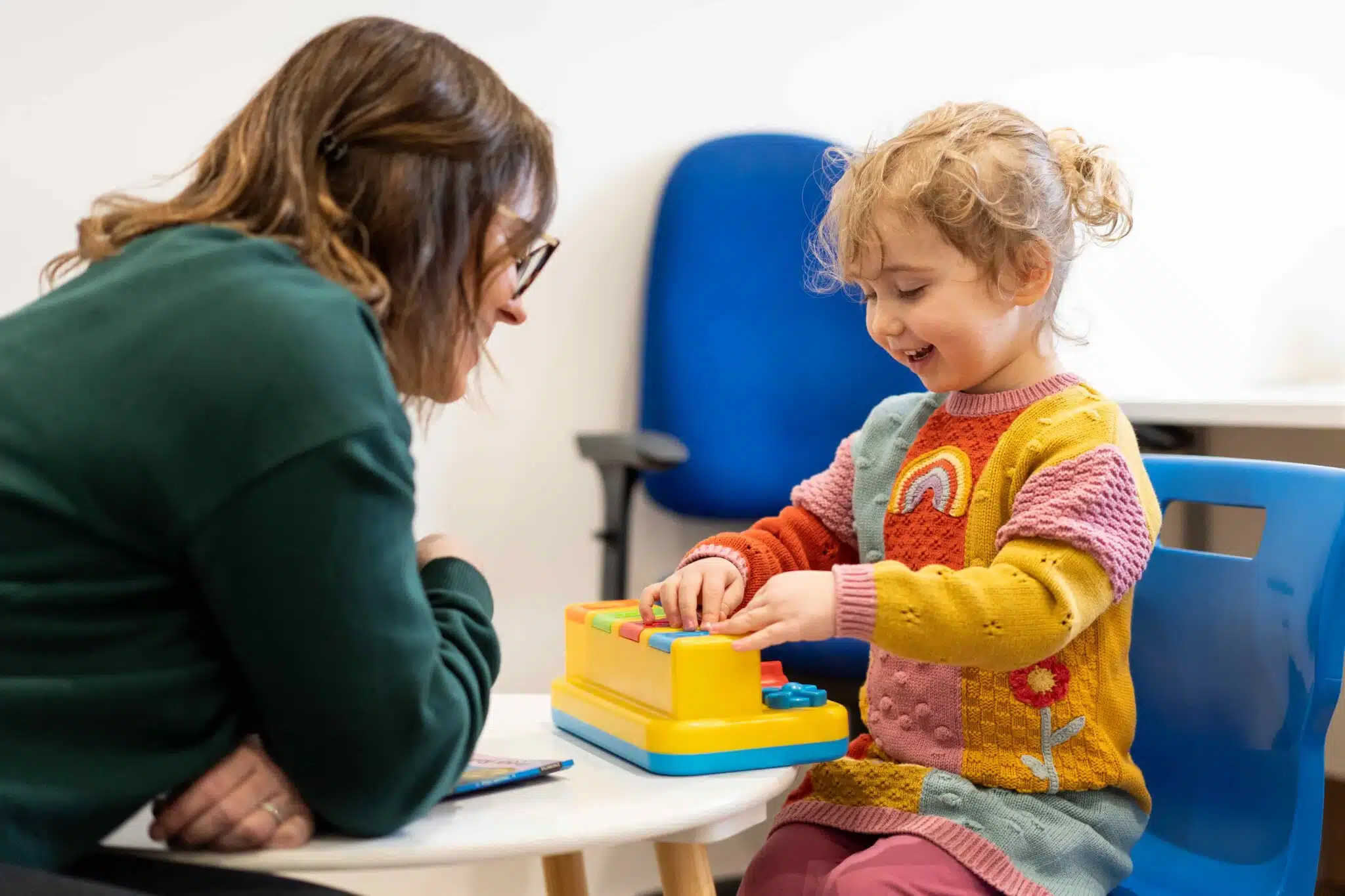
Your child will spend time with a member of the team in an observation session, usually using a tool called the ADOS-2 (Autism Diagnostic Observation Schedule). This is activity-based rather than test-like – most children find it reasonably comfortable once they settle in.
If a conclusion can be reached, the outcome will be provided on the day of the assessment, followed by a comprehensive report, typically within 6-8 weeks of the assessment.
How Provide Wellbeing prepares families for assessment
We know that the weeks leading up to an assessment can feel just as daunting as the day itself. That’s why we make sure every family receives clear information in advance, including guidance on what to bring and what to expect, so nothing comes as a surprise.
Our assessments are carried out by an experienced multidisciplinary team at our clinic in Essex, and every family receives a detailed written report following the assessment. If you have questions at any stage, our team is happy to help.
