
OUR AUTISM & ADHD SERVICES
ADHD assessment for children & young people (6-18)
An ADHD (Attention Deficit Hyperactivity Disorder) assessment can help understand a child or young person’s strengths, challenges, and support needs.
At Provide Wellbeing, ADHD assessments for children and young people are delivered by appropriately qualified clinical teams, following NICE guidance and recognised diagnostic standards.
Who this assessment is for
This assessment is for children and young people aged 6–18 who may be experiencing ongoing difficulties with:
- attention and concentration
- impulsivity
- hyperactivity or restlessness
- organisation
- emotional regulation
- daily functioning
An assessment may help provide clarity and understanding, whether or not a diagnosis is made.
How this assessment can be accessed
At Provide Wellbeing, we offer a variety of options for you to get an assessment and a diagnosis. Currently, we offer ADHD assessments to children and young people whose GP is based in Mid & South Essex and who reside in this area. We also offer self-pay assessments.
- NHS local pathways
Available only in areas where your GP is based and where you reside within an area covered by an active NHS contract. We currently offer assessments through our Mid & South Essex local NHS pathway - Self-pay assessments
Available without a GP referral. - NHS Right to Choose
Available only when a qualifying NHS contract is live. We do not currently offer Right to Choose assessments.
If you’re not sure which pathway is right for you, you can find out more information by visiting the following pages:
Before the assessment
Referral and questionnaires
Once a referral is accepted, we will send questionnaires to help us understand the child or young person’s needs.
Please note that we cannot progress with an assessment until all questionnaires and forms have been completed, returned to us and triaged.
To ensure we provide the most accurate care, we gather insights from those who know your child best. Once these forms are returned, we review every detail to ensure the process is tailored specifically to your child or young person’s needs.
These may include:
- parent or carer questionnaires
- questionnaires from school or an education setting
- self-report questionnaires (where appropriate)
- background and developmental information
Completing and returning these promptly helps avoid delays.
Clinical triage
Our clinical team reviews the information to:
- confirm that an ADHD assessment is appropriate
- consider whether a combined ADHD and Autism assessment may be needed
- plan the most suitable assessment approach
You’ll be contacted to confirm next steps.
The ADHD assessment appointment
Who you’ll see
Assessments are carried out by specialist clinical teams, which may include:
- psychiatrists
- paediatricians
- other clinicians with recognised expertise in ADHD diagnosis
What the assessment involves
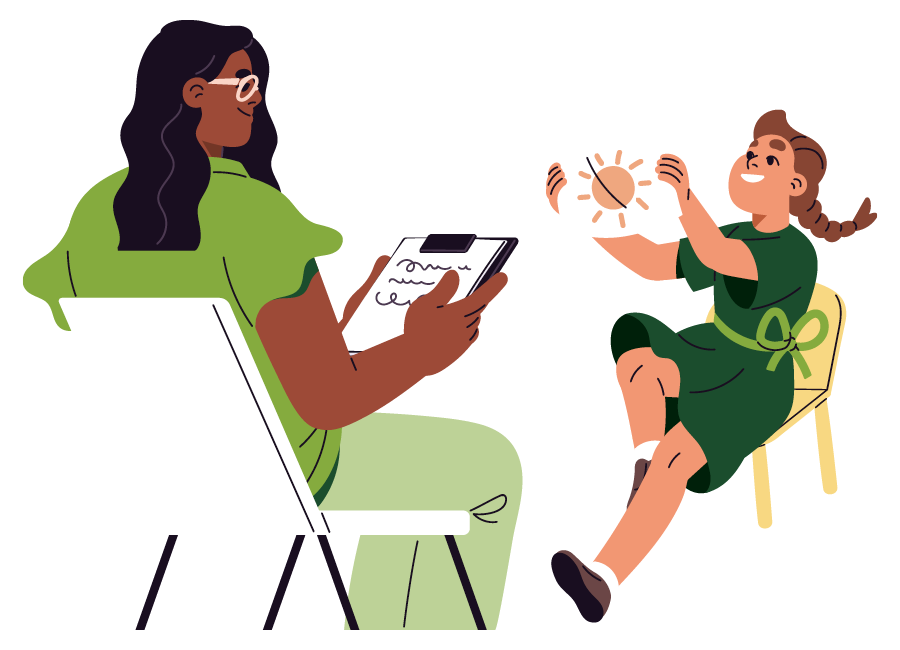
The assessment typically includes:
- a detailed discussion of developmental, medical, and educational history
- review of questionnaires and school information
- exploration of strengths, challenges, and everyday functioning
- observation and interaction with the child or young person
Where appropriate, basic health observations (height, weight and blood pressure) may also be completed.
Assessments are tailored to the individual and delivered in a supportive, child-centred way.
Outcome and diagnosis
After the assessment:
- the clinical team will explain the outcome clearly and sensitively
- you’ll have time to ask questions
- if ADHD is diagnosed, this will be explained in clear, accessible language
If ADHD is not diagnosed, guidance and signposting will still be offered where helpful.
Written report
Following the assessment, you will receive a written diagnostic report.
The report includes:
- what was assessed and how
- the outcome or diagnosis
- how conclusions were reached
- recommendations and next steps
Reports are written in clear, accessible language and can be shared with your GP, school, or other professionals (with consent).
What happens after an ADHD diagnosis
Every assessment includes post-assessment guidance, regardless of the outcome.
Information and psychoeducation
Everyone diagnosed with ADHD is offered:
- information about ADHD and how it may affect daily life
- advice and practical strategies for home and education settings
- psychoeducation, which is a structured programme as part of NHS ADHD pathways
For children and young people, psychoeducation is a required part of the ADHD pathway. Medication cannot be considered until the psychoeducation programme has been completed and reviewed.
Medication (where appropriate and commissioned)
Medication is not an automatic outcome of an ADHD diagnosis.
A decision about medication is only considered:
- where ADHD is diagnosed
- after completion of the psychoeducation programme
- where non-medication strategies have been discussed and trialled
- where medication is clinically appropriate
- where the pathway includes medication support
Where medication is commissioned, treatment follows NICE guidance and includes careful monitoring and review.
Our NHS ADHD Assessment Pathway
Referral and questionnaires
Once a referral is accepted, we will send questionnaires to help us understand the child or young person’s needs.
Please note that we cannot progress with an assessment until all questionnaires and forms have been completed, returned to us and triaged.
To ensure we provide the most accurate care, we gather insights from those who know your child best. Once these forms are returned, we review every detail to ensure the process is tailored specifically to your child or young person's needs.
These may include:
- parent or carer questionnaires
- questionnaires from school or an education setting
- self-report questionnaires (where appropriate)
- background and developmental information
Completing and returning these promptly helps avoid delays.
Clinical triage
Our clinical team reviews the information to:
- confirm that an ADHD assessment is appropriate
- consider whether a combined ADHD and Autism assessment may be needed
- plan the most suitable assessment approach
You’ll be contacted to confirm next steps.
Who you’ll see
Assessments are carried out by specialist clinical teams, which may include:
- psychiatrists
- paediatricians
- other clinicians with recognised expertise in ADHD diagnosis
What the assessment involves
The assessment includes:
- a detailed discussion of developmental, medical, and educational history
- review of questionnaires and school information
- exploration of strengths, challenges, and everyday functioning
- observation and interaction with the child or young person
Where appropriate, basic health observations (height, weight and blood pressure) may also be completed.
Assessments are tailored to the individual and delivered in a supportive, child-centred way.
Outcome and diagnosis
After the assessment:
- The clinical team will explain the outcome clearly and sensitively
- You’ll have time to ask questions
- If ADHD is diagnosed, this will be explained in clear, accessible language
If ADHD is not diagnosed, guidance and signposting will still be offered where helpful.
Written report
Following the assessment, you will receive a written diagnostic report.
The report includes:
- What was assessed and how
- The outcome or diagnosis
- How conclusions were reached
- Recommendations and next steps
Reports are written in clear, accessible language and can be shared with your GP, school, or other professionals (with consent).
Every assessment includes post-assessment guidance, regardless of the outcome.
Information and psychoeducation
Everyone diagnosed with ADHD is offered:
- information about ADHD and how it may affect daily life
- advice and practical strategies for home and education settings
- psychoeducation, which is a structured programme offered as part of NHS ADHD pathways
Medication (where appropriate and commissioned)
Medication is not an automatic outcome of an ADHD diagnosis.
A decision about medication is only considered:
- where ADHD is diagnosed
- after completion of the psychoeducation programme, where non-medication strategies have been discussed and trialled
- where medication is clinically appropriate
- where the pathway includes medication support
Where medication is commissioned, treatment follows NICE guidance and includes careful monitoring and review.
The ADHD assessment appointment
Who you’ll see
Assessments are carried out by specialist clinical teams, which may include:
- psychiatrists
- paediatricians
- other clinicians with recognised expertise in ADHD diagnosis
What the assessment involves
The assessment typically includes:
- a detailed discussion of developmental, medical, and educational history
- review of questionnaires and school information
- exploration of strengths, challenges, and everyday functioning
- observation and interaction with the child or young person
Where appropriate, basic health observations (height, weight and blood pressure) may also be completed.
Assessments are tailored to the individual and delivered in a supportive, child-centred way.
Outcome and diagnosis
After the assessment:
- The clinical team will explain the outcome clearly and sensitively
- You’ll have time to ask questions
- If ADHD is diagnosed, this will be explained in clear, accessible language
If ADHD is not diagnosed, guidance and signposting will still be offered where helpful.
Written report
Following the assessment, you will receive a written diagnostic report.
The report includes:
- What was assessed and how
- The outcome or diagnosis
- How conclusions were reached
- recommendations and next steps
Reports are written in clear, accessible language and can be shared with your GP, school, or other professionals (with consent).
What happens after an ADHD diagnosis
Every assessment includes post-assessment guidance, regardless of the outcome.
Information and psychoeducation
Everyone diagnosed with ADHD is offered:
- information about ADHD and how it may affect daily life
- advice and practical strategies for home and education settings
- psychoeducation, which is a structured programme as part of NHS ADHD pathways
For children and young people, psychoeducation is a required part of the ADHD pathway. Medication cannot be considered until the psychoeducation programme has been completed and reviewed.
Medication (where appropriate and commissioned)
Medication is not an automatic outcome of an ADHD diagnosis.
A decision about medication is only considered:
- where ADHD is diagnosed
- after completion of the psychoeducation programme
- where non-medication strategies have been discussed and trialled
- where medication is clinically appropriate
- where the pathway includes medication support
Where medication is commissioned, treatment follows NICE guidance and includes careful monitoring and review.
Our self-pay ADHD assessment pathway
Under our self-pay service, the pathway for an ADHD assessment will follow the same pathway as with the NHS, but with a few exceptions:
- We do not require a GP referral. Contact our service directly to register your child or young person for a self-pay ADHD assessment. ’
- Psychoeducation is not required as part of our self-pay service. You will still receive feedback, signposting, and guidance to support your child.
Please note that we cannot progress with an assessment until all questionnaires and forms have been completed, returned to us, and triaged.
ADHD treatment & medication pathway
A decision about ADHD medication is only considered after:
- ADHD has been diagnosed
- Medication is clinically appropriate
- Non-medication strategies have been discussed
- The pathway you are on includes medication support
The medication support you receive will depend on which NHS pathway you are on, or whether you are using our self-pay service.
You can find out more about our ADHD treatment & medication pathways here:
NHS ADHD Treatment & Medication Pathway
Quality and clinical standards
All ADHD assessments for children and young people at Provide Wellbeing:
- follow NICE NG87 guidance
- use recognised diagnostic criteria (DSM-5 / ICD-11)
- are delivered by trained, experienced clinical teams
- include reasonable adjustments for communication or sensory needs
Medication Assessment Pathway
Not sure if this assessment is right?
If you’re unsure which pathway applies, or whether an ADHD assessment is the right next step, you may find it helpful to visit:
Start Here: How to Access Our Services
Our Assessment Pathways
What Happens After an Assessment
You can also discuss concerns with your GP or contact our team for general guidance.
TALK TO US TODAY ABOUT
Neurodevelopmental Services
Call 0300 303 9966, email
provide.wellbeing@nhs.net
or complete the form below…
Support you can trust
Our team provides actionable insights, no matter where you are on your journey, and offers expert advice to help you or a family member on your road to a diagnosis. Our ASD and ADHD services are suitable for children and young people seeking a diagnosis.