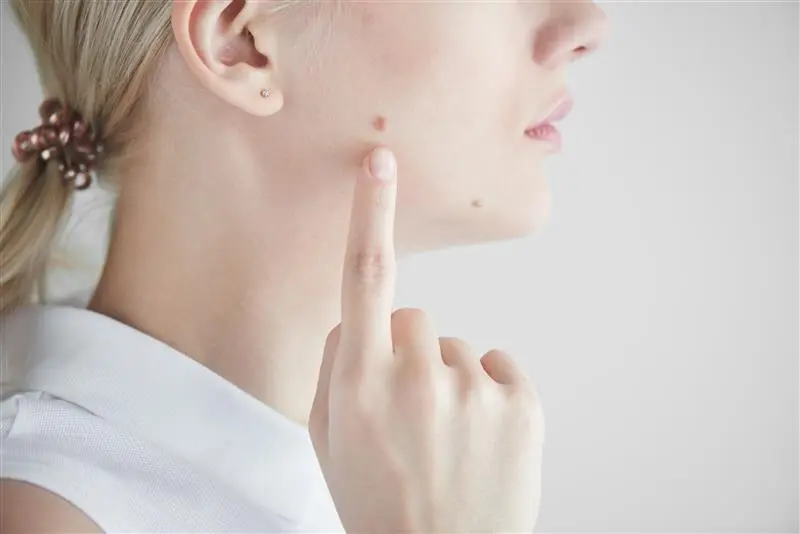
A mole that’s changed shape. A cyst that keeps flaring up. A skin tag that catches on clothing. For many people, these are small but persistent concerns, and the first question is almost always whether the NHS will deal with it.
The answer depends on the nature of the lesion and whether it meets the NHS’s clinical criteria for treatment. For a significant number of patients, the honest answer is no. Here’s a clear explanation of how the system works, and what your options are.
What does “minor skin surgery” cover?
Minor skin surgery is a broad term for the removal or treatment of relatively small skin conditions, typically carried out under local anaesthetic without the need for a hospital stay.
Common procedures include the removal of moles, cysts, lipomas (fatty lumps under the skin), skin tags, warts, and other benign lesions. Some of these are purely cosmetic concerns. Others sit in a clinical grey area, they’re not dangerous, but they cause discomfort, affect daily life, or carry a small risk of change over time.
When will the NHS fund minor skin surgery?
The NHS funds minor skin surgery primarily on medical grounds, not cosmetic ones. The clearest route to NHS treatment is a clinical concern about cancer.
If a GP or dermatologist suspects that a skin lesion may be cancerous or pre-cancerous, you’ll be referred for urgent assessment under the two-week wait pathway. Suspected melanoma and squamous cell carcinoma are typically prioritised in this way.
For most benign lesions, the position has changed considerably in recent years. The NHS has stepped back from funding the removal of conditions such as skin tags, benign cysts, warts, and cosmetic moles, unless they’re causing significant functional problems. A cyst that keeps becoming infected, for instance, or a lesion interfering with movement, may still qualify.
Your GP will assess the lesion and refer you if the clinical criteria are met. If they don’t feel it reaches the threshold for NHS treatment, they can advise on your options.
What is the NHS referral process for skin concerns?
If you have a concern about a skin lesion, the starting point is your GP. They’ll examine it, often using a dermoscope, and use clinical criteria to decide whether to refer you.
For moles and patches of skin, GPs use a structured scoring system that assesses features including asymmetry, irregular borders, variation in colour, size, and whether the lesion is changing. If the score suggests urgent assessment is needed, you’ll be referred under the two-week wait pathway to be seen by a dermatologist within 14 days.
For lesions that don’t meet the urgent threshold, the referral goes to a routine dermatology appointment. The dermatologist then decides whether NHS treatment is clinically warranted.
If the lesion is benign and not causing harm, NHS treatment won’t be funded.
What are typical NHS waiting times for skin surgery?
Waiting times vary considerably depending on where you live and the urgency of your referral.
For urgent two-week wait referrals for suspected skin cancer, the target is to be seen within 14 days. In practice, this target isn’t always met, and the uncertainty of waiting, even for a short time, can be genuinely difficult when you’re concerned about a mole.
For routine dermatology referrals, waiting times are often much longer. Many areas report waits of six months or more from GP referral to treatment. And that’s before any waiting time for the procedure itself.
When does going private make sense?
For patients who don’t meet the NHS criteria, or who don’t want to wait, private minor skin surgery is a practical alternative. It tends to make sense when:
- Your lesion is benign but uncomfortable, bothersome, or something you want removed for cosmetic or personal reasons.
- You’ve been told to “watch and wait” but would prefer prompt assessment and peace of mind.
- You want to have your lesion assessed and removed in successive appointments, rather than waiting for separate GP, dermatology, and treatment slots.
- You’ve already received a benign diagnosis but simply want the lesion removed.
What does minor skin surgery involve privately?
Private minor skin surgery is typically a straightforward outpatient procedure carried out under local anaesthetic. Most procedures take between 15 and 45 minutes, depending on the size and position of the lesion.
Common methods include surgical excision (where the lesion is cut away, and the wound closed with sutures), shave excision for raised lesions, and curettage and cautery for certain surface lesions. Removed tissue is routinely sent for histological analysis if there’s any clinical reason to do so, and results are shared with you and your GP.
You don’t need a GP referral to access private minor skin surgery, though it’s good practice to keep your GP informed so your medical records stay complete.
Minor skin surgery at Provide Wellbeing
At Provide Wellbeing, we offer a range of minor skin procedures at our clinic in Essex. Appointments are available promptly, our pricing is clear, and all procedures are carried out by experienced clinicians. If clinically indicated, tissue removed can be sent to the laboratory for pathology.
If you have a skin lesion you’d like assessed or removed, we’re happy to discuss your options.
